
Gas bills often jump sharply in winter and remain high for several months. This surprises many households.
This page is part of the Natural Gas Bill Explained guide, which breaks down every section of a typical U.S. gas bill in plain English.
The main reason is increased heating demand combined with higher gas prices.
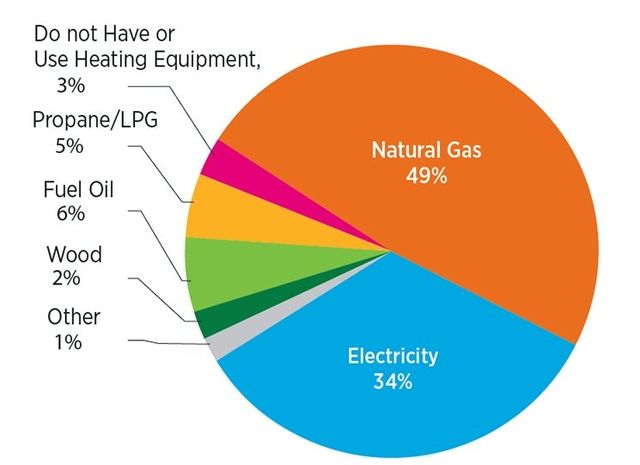
Home heating is the largest use of natural gas in most households. Cold weather causes furnaces and boilers to run longer and more often.
At the same time, utilities must buy more gas during peak demand periods.
Main Causes of Winter Spikes
Longer Heating Run Time
Furnaces run many more hours per day.
Colder Temperatures
Heat loss increases rapidly below freezing.
Higher Market Prices
Demand pushes prices up.
Drafts and Poor Insulation
Heat escapes faster in winter.
Shorter Days
More time at home, more heating use.
Example
- Furnace uses 1 therm/hour
- Runs 6 hours/day → 180 therms/month
- At $1.00/therm → $180 just for heating
Summary
Winter gas bills spike because usage increases first, and prices often increase second. Heating efficiency has the biggest impact.
Sources
U.S. Department of Energy – Home Heating
Last reviewed: January 2026