
Many people see higher natural gas bills even when they use the same number of therms. This usually happens because the price per therm changed.
This page is part of the Gas Bill Explained guide, which breaks down every section of a typical U.S. gas bill in plain English.
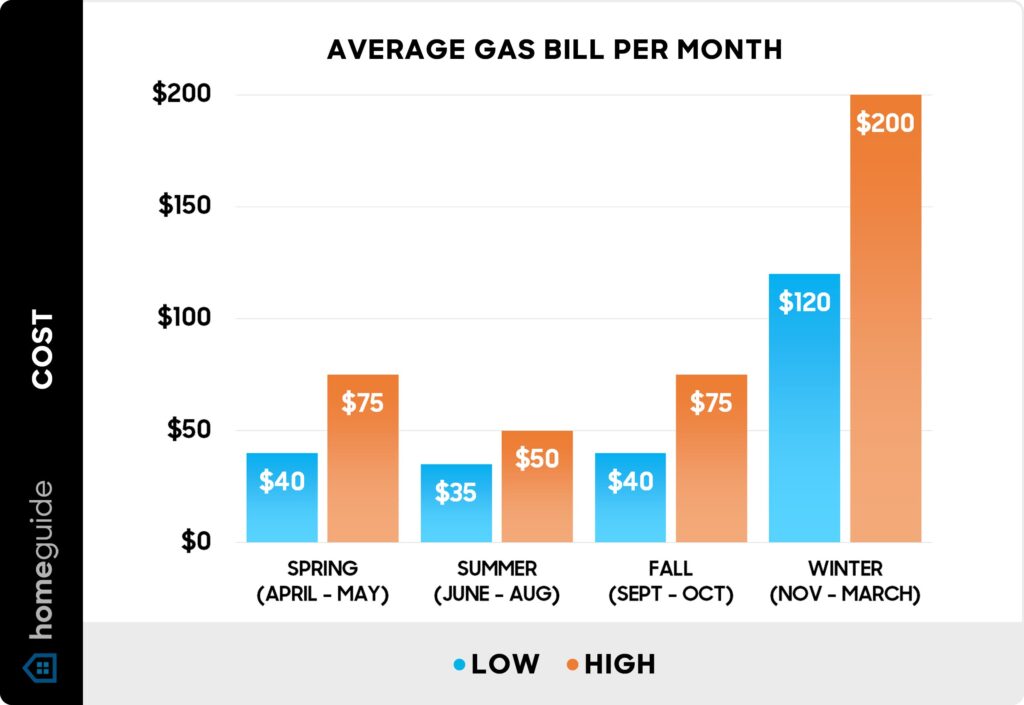
Natural Gas prices can change several times a year and often rise during high-demand seasons.
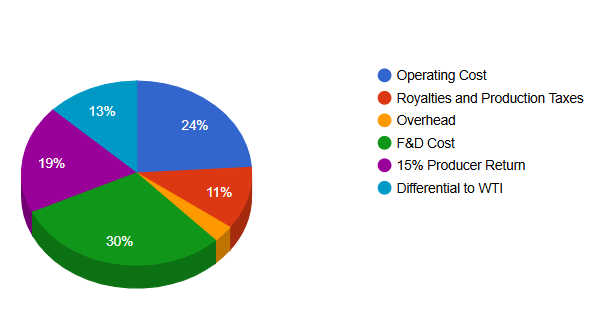
Prices are based on the cost of natural gas and the cost of delivering it safely to homes.
Prices change due to:
- Wholesale natural gas markets
- Seasonal demand
- Storage levels
- Infrastructure and maintenance costs
- Regulatory adjustments
/
Common Reasons Prices Increase
Cold Weather Demand
More heating increases gas demand.
Wholesale Market Changes
Utilities buy gas at changing market prices.
Storage Levels
Low storage raises prices during winter.
Pipeline Constraints
Limited capacity raises delivery costs.
Approved Utility Adjustments
Regulators allow cost recovery.
Examples
- Usage stays at 100 therms
- Price rises from $0.80 → $1.10 per therm
Extra cost:
100 × $0.30 = $30 increase, even with no extra usage
Summary
Gas prices change mostly due to market and weather factors, not customer behavior. Always check the price per therm when comparing bills.