
Electric bills charge for something called a kWh, but most people were never taught what that means. Without understanding kWh, it is hard to know why a bill is high or how to lower it.
This page is part of the Electric Bill Explained guide, which breaks down every section of a typical U.S. gas bill in plain English.
This page explains kWh in simple terms, using everyday examples.
What a kWh Measures
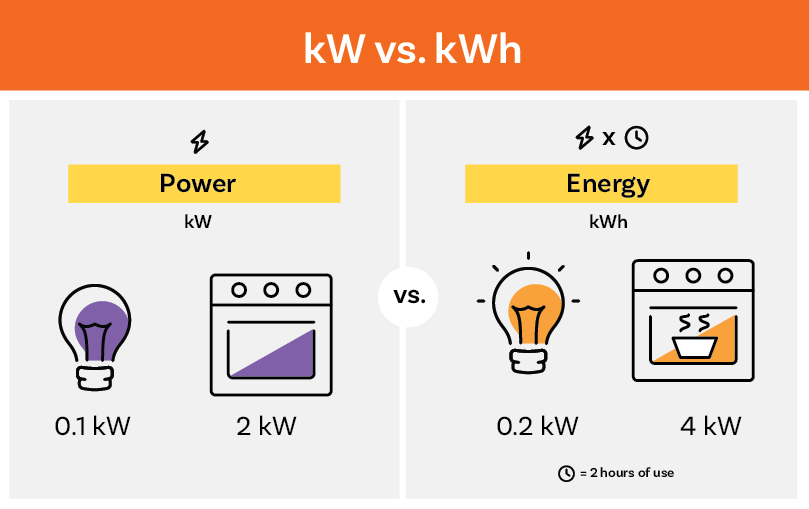
A kilowatt-hour (kWh) measures how much electricity is used over time.
- 1 kilowatt (kW) = 1,000 watts
- Using 1,000 watts for 1 hour = 1 kWh
Electric companies charge based on how many kWh you use in a month.
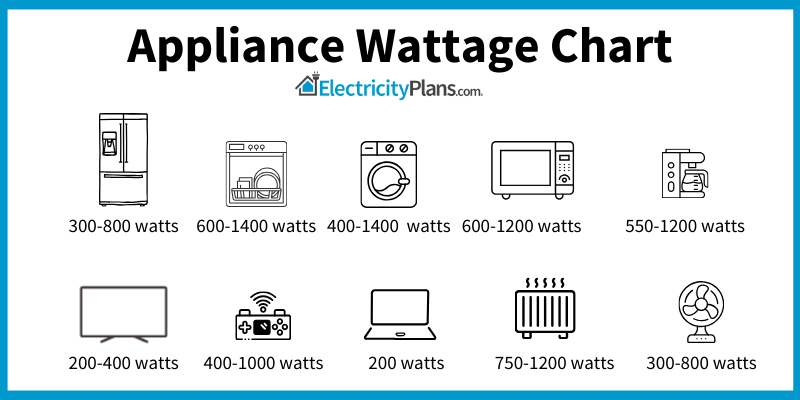
Examples: Common Appliances
- Window air conditioner (1,000 watts) for 1 hour → 1 kWh
- Microwave (1,200 watts) for 30 minutes → 0.6 kWh
- Clothes dryer (3,000 watts) for 1 hour → 3 kWh
- Space heater (1,500 watts) for 2 hours → 3 kWh
The longer and stronger an appliance runs, the more kWh it uses.
Summary: Why kWh Matters
kWh is the foundation of your electric bill. Lower kWh almost always means a lower bill. Most cost-saving changes work by reducing kWh usage.